Medical Care
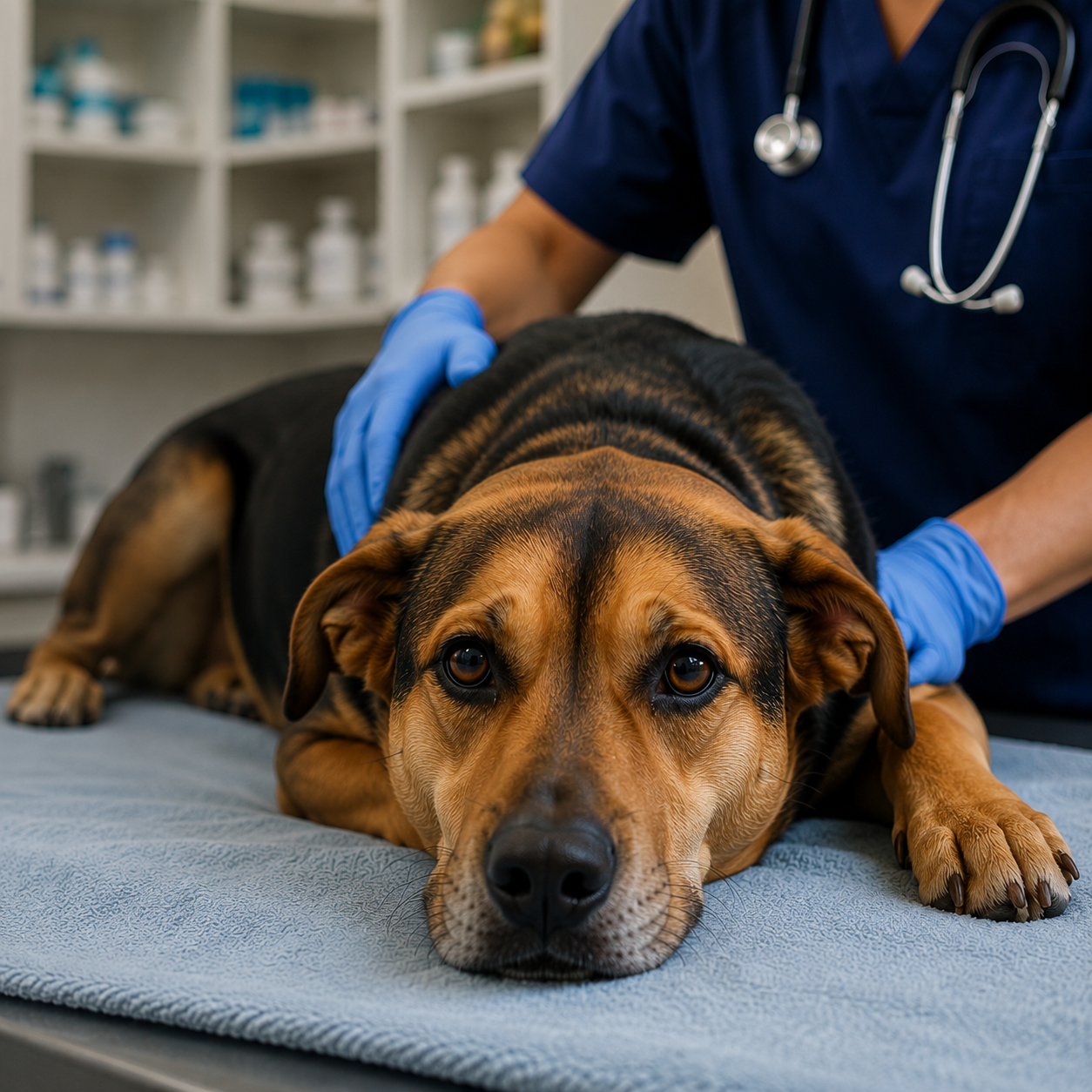
Every animal entering Gwinnett County Animal Shelter depends on the shelter for medical care, monitoring, and treatment.
Public records reviewed by Gwinnett Animal Advocacy Alliance identify recurring concerns involving delayed care, incomplete documentation, post-operative monitoring, and accountability.
When animals cannot speak, medical oversight matters.
Medical records reviewed through Open Records Requests identified recurring patterns involving delayed treatment, gaps in medication documentation, missed monitoring, and animals whose conditions significantly worsened before intervention occurred.
At a Glance
Medication Documentation
Records frequently could not verify medication administration.
Medical Monitoring
Animals sometimes declined for days before documented reassessment.
Post-Operative Care
Case reviews identified concerns following routine surgical procedures.
Disease Prevention
Disease outbreaks and sanitation concerns affected vulnerable shelter populations.
What the Records Show
The reviewed records point to recurring issues involving documentation, monitoring, escalation, and oversight.
Medication Documentation Gaps
Accurate medical records are essential to ensuring animals receive appropriate treatment and that care can be verified. Several records reviewed contained treatment plans or prescribed medications while medication administration logs reflected “0 doses administered” or lacked documentation confirming treatment occurred.
When medication administration cannot be verified, continuity of care suffers and the County cannot independently confirm whether prescribed treatment was provided.
Failure to Monitor Medical Decline
Animals recovering from illness, injury, or surgery depend entirely on shelter staff and veterinary providers to recognize changes in their condition. The records reviewed identified multiple cases where animals showed signs of decline before documented reassessment or escalation occurred.
Daily observation matters because symptoms such as lethargy, poor appetite, swelling, pain, respiratory changes, and weakness can signal serious medical deterioration.
Post-Operative Monitoring Concerns
Routine spay and neuter surgeries still require careful follow-up. The reviewed cases raised concerns involving missing or incomplete post-operative checks, lack of documented incision monitoring, and delayed recognition of serious surgical complications.
Post-operative monitoring exists because complications can develop over time, and early detection can be the difference between recovery and preventable suffering.
Delayed Diagnosis of Serious Conditions
Several animals displayed symptoms that may indicate serious illness or injury, including neurologic signs, trauma, infection, respiratory distress, dehydration, and severe lethargy.
In some cases, the full severity of an animal’s condition became apparent only after transfer to rescue or outside veterinary care, raising questions about whether medical concerns were recognized and escalated with appropriate urgency while animals remained in County custody.
Disease Prevention and Sanitation Concerns
High-volume shelters must rely on strong disease prevention, vaccination, sanitation, isolation, and monitoring practices to protect vulnerable animals. The reviewed records raised concerns involving illness progression, possible disease exposure, and the need for timely identification and isolation of sick animals.
These issues are especially serious for young animals, sick animals, and animals with limited immune protection.
Veterinary Oversight and Accountability
Medical care in a public shelter must be timely, documented, and accountable. The records reviewed raise broader concerns about daily oversight, follow-up care, medication verification, escalation pathways, and the County’s ability to verify that animals received appropriate care.
Without complete documentation and meaningful oversight, the public cannot confidently assess whether animals received the care they needed when they needed it.
Medical Treatment Spending Limits
Veterinary decisions should be based on an animal's medical condition, prognosis, and quality of life—not predetermined financial limits alone.
Concerns have been raised regarding the use of a reported $250 emergency veterinary spending limit for animals requiring treatment outside the shelter. When the anticipated cost of care exceeds that amount, questions arise about whether financial constraints may influence decisions regarding treatment or euthanasia.
Real Cases: When Documentation Becomes Reality
These cases illustrate patterns identified throughout the medical records reviewed. While every animal’s story is unique, each demonstrates why timely care matters.

Marshmallow
Marshmallow developed a severe post-operative infection after routine surgery. Records show no documented veterinary rechecks during the seven days following his neuter.
Read his story →
Lucy
Lucy suffered catastrophic incision failure after surgery. Her records show no documented post-operative checks before her abdominal organs were found exposed.
Read her story →
Cuddlekins
Cuddlekins stopped eating, became lethargic, lost weight, and declined over several days before being found deceased in her kennel.
Read her story →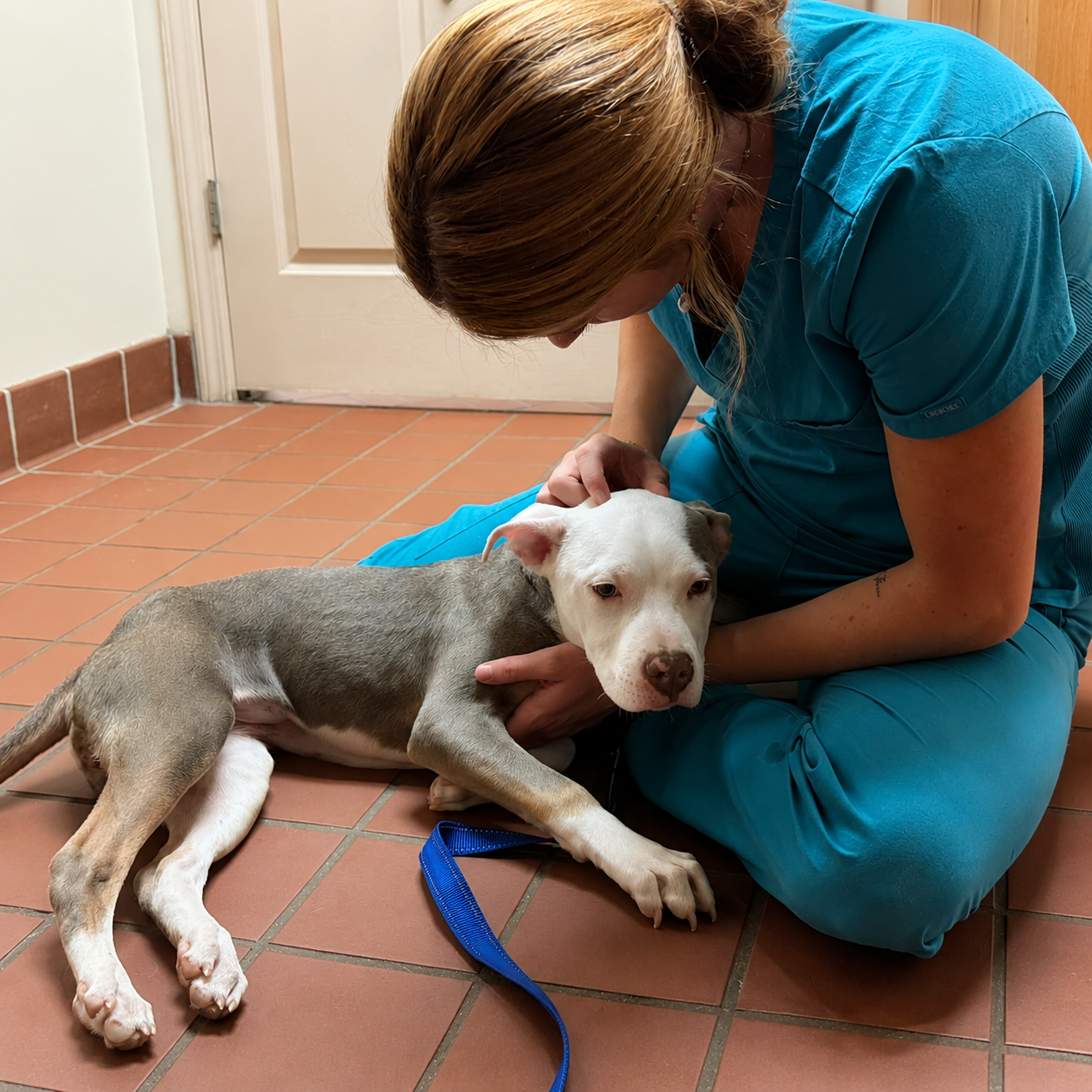
Jovie
Jovie entered the shelter with neurologic symptoms. After rescue, she was found to have a life-threatening fever that was not documented in County records.
Read her story →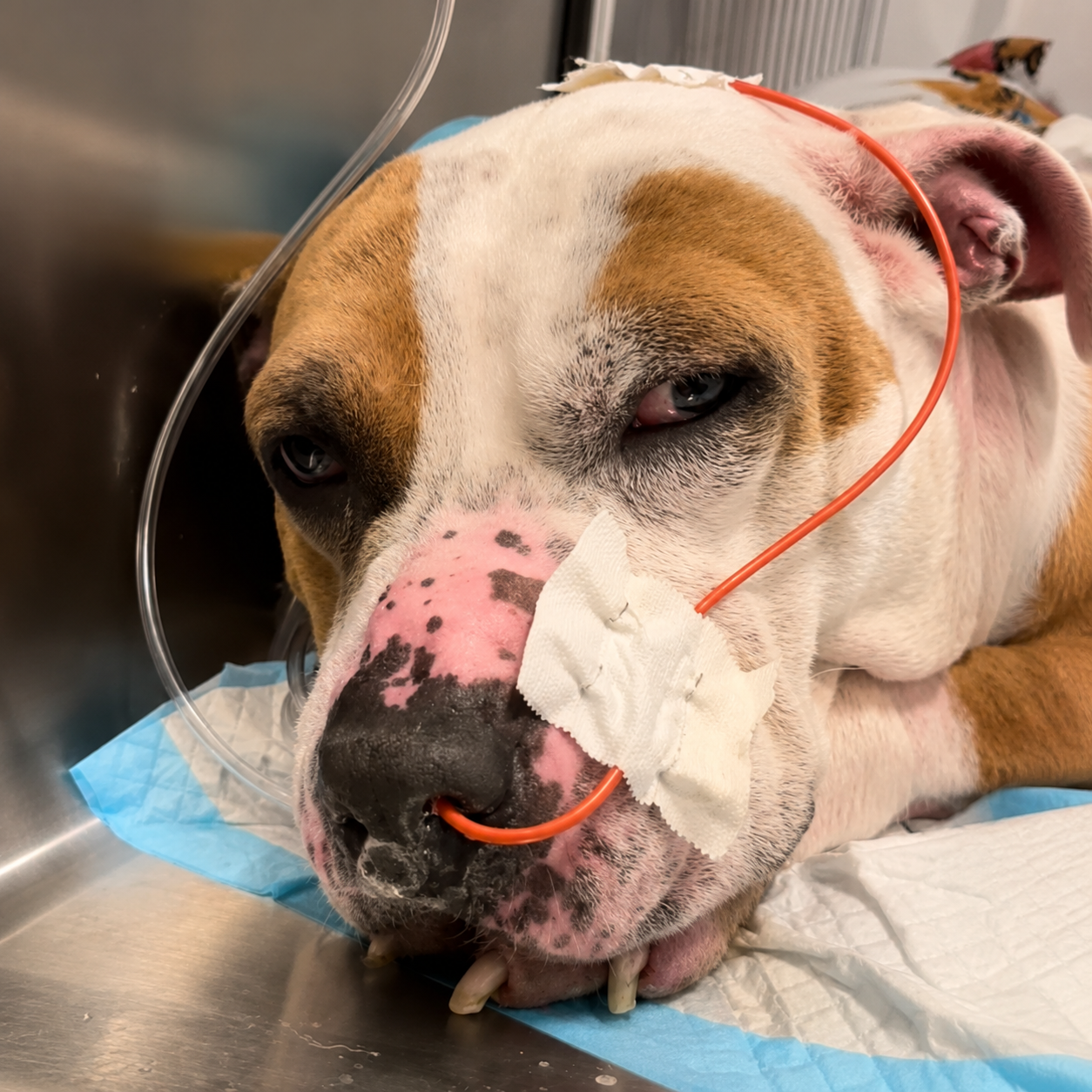
Lil Bit
Lil Bit’s symptoms were described as depression and kennel stress, but after rescue she was diagnosed with severe pneumonia and multiple infections.
Read her story →
Nathan
Nathan entered the shelter after being struck by a car. Records documented pulmonary contusions, and he later deteriorated after rescue with severe pneumonia and systemic infection.
Read his story →Why This Matters
For Animal Welfare
Timely treatment and monitoring can prevent suffering and save lives.
For Taxpayers
Delayed care can lead to more costly emergencies and greater County liability.
For Rescue Partners
Rescues often face critical conditions that may have been preventable.
For Public Confidence
Transparency and accountability build trust in how animals are cared for.
What Should Change
Every animal entering Gwinnett County Animal Shelter deserves timely, documented, and accountable medical care. Based on the issues identified throughout the records, these improvements would strengthen medical oversight and help prevent avoidable suffering.
Consistent Daily Medical Rounds and Post-Operative Monitoring
Animals recovering from surgery, illness, injury, or medical treatment should receive consistent daily observation and documented follow-up. Daily rounds should include physical assessment, incision monitoring when appropriate, pain evaluation, and timely reassessment whenever an animal's condition changes.
Routine procedures should never be treated as routine recoveries. Early recognition of complications gives animals the best opportunity for successful treatment.
Complete and Verifiable Medication Documentation
Medication records should clearly document what was prescribed, when it was administered, who administered it, and whether the treatment plan was completed.
When medication administration cannot be verified, neither the County nor the public can confidently determine whether prescribed treatment was actually provided.
Earlier Medical Escalation for Animals Showing Signs of Decline
Animals that stop eating, become lethargic, develop respiratory symptoms, experience neurologic changes, or show other signs of deterioration should receive prompt veterinary reassessment and, when appropriate, additional diagnostic testing.
Medical decline should be recognized early rather than after an animal reaches a crisis point.
Stronger Disease Prevention and Infection Control
Vaccination, sanitation, isolation, and disease monitoring protocols should be consistently followed to reduce preventable illness and protect vulnerable animals throughout the shelter.
Early identification and isolation of sick animals helps protect both individual patients and the broader shelter population.
Clear Policies for Emergency Veterinary Care
Gwinnett County should publicly explain how emergency veterinary treatment decisions are made, including when outside emergency care is authorized, how funding decisions are evaluated, and what alternatives are considered before euthanasia.
Residents deserve transparency about how emergency medical decisions are made, particularly when financial limitations may influence available treatment options.
Greater Transparency and Accountability
Medical records, medication logs, veterinary observations, and care requests should be complete, reviewable, and accurately document the care each animal receives.
Transparency protects animals, supports shelter staff, strengthens rescue partnerships, and allows the public to have confidence that County resources are providing appropriate care.
Every Animal Depends on Someone Speaking Up
When an animal enters the shelter, it cannot request medical care, ask for a second opinion, or report that something is wrong. Strong oversight, transparency, and accountability are essential.
Contact County Leadership