Lil Bit
A senior dog whose serious medical illness was mistaken for behavioral decline.
Lil Bit’s serious medical condition was discovered only after rescue.
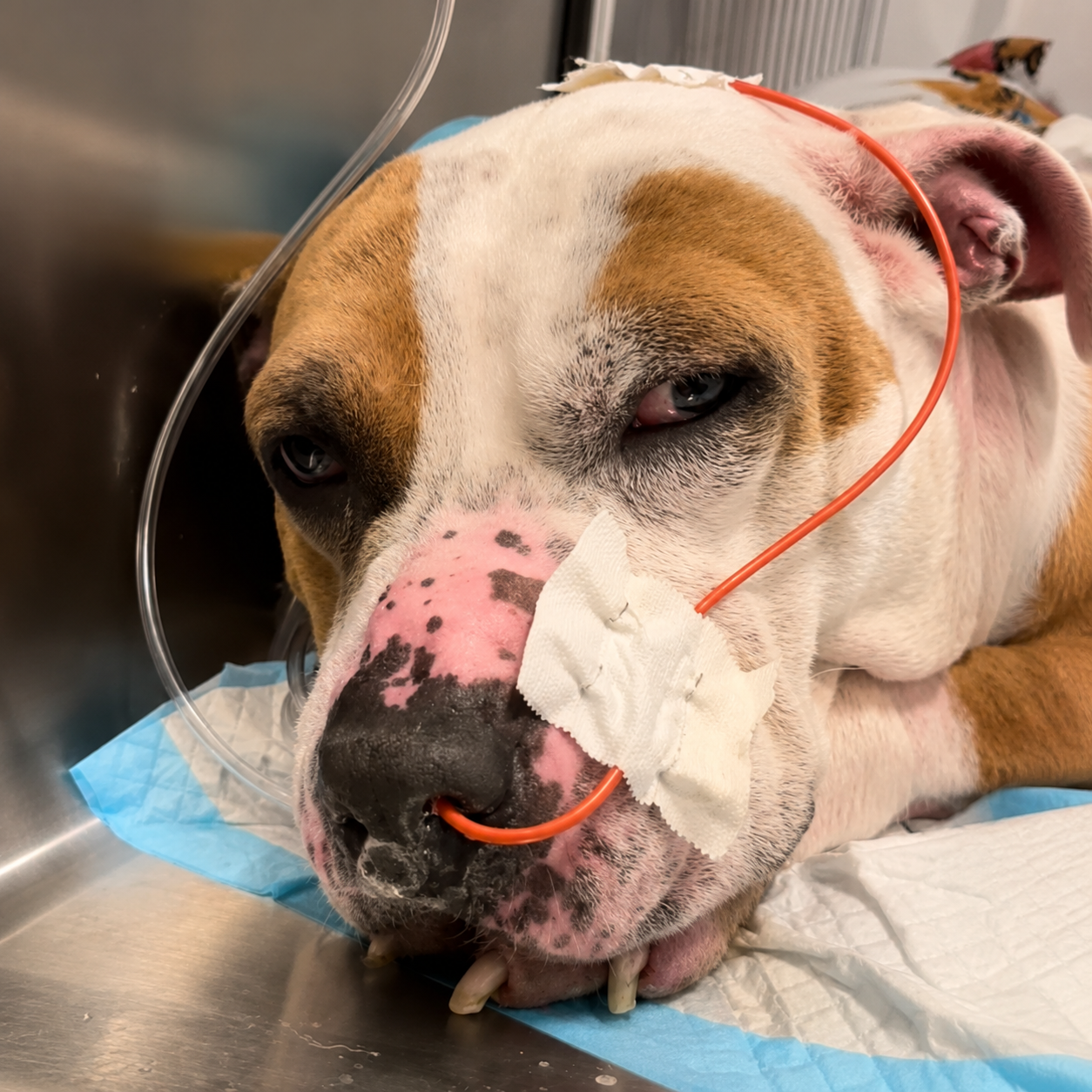
While the rescue plea described Lil Bit as “extremely depressed” and unwilling to eat or walk, outside veterinary evaluation after rescue revealed severe pneumonia and multiple infections requiring medical treatment.
What Happened
Lil Bit, an estimated 9-year-old dog, entered the care of Gwinnett County Animal Shelter on August 22, 2024, after being found roaming in Lawrenceville. Intake records documented numerous medical concerns, including hair loss along her back, inflamed paw pads, double eye infections, bleeding sores on her hind legs, weight loss, and decreased appetite.
As Lil Bit remained in the shelter, her condition continued to decline. In a rescue plea issued shortly before her scheduled euthanasia, staff described her as “extremely depressed,” noting that she refused to eat, refused to walk, and showed little response when approached.
The rescue plea stated that Lil Bit was receiving antibiotics and eye medications. However, the available medication records show zero documented doses administered, and there is no documentation confirming that these medications were actually given.
The symptoms described in the rescue plea — loss of appetite, refusal to walk, weight loss, lethargy, and withdrawal — are also recognized signs of serious underlying medical illness, particularly in senior dogs. Despite these progressive symptoms, there is no documentation that Lil Bit received advanced diagnostic testing or emergency medical escalation while she remained in County custody.
After being rescued just hours before her scheduled euthanasia, Lil Bit was immediately transported to an outside veterinarian, where she underwent a comprehensive medical evaluation including bloodwork, radiographs, and additional diagnostic testing. The examination revealed that she was suffering from severe pneumonia, bacterial infections in both ears, and a widespread yeast infection requiring medical treatment.
In plain terms, Lil Bit was battling multiple significant infections simultaneously, including a serious lung infection capable of causing respiratory distress. These conditions develop over time and are typically accompanied by observable signs such as lethargy, decreased appetite, reluctance to walk, weakness, and behavioral withdrawal — the same symptoms documented while she remained at the shelter.
Rather than representing simple behavioral decline, Lil Bit’s condition reflected a dog experiencing significant underlying medical illness. The extent of her illness was not recognized until diagnostic testing was performed after she left County custody and entered rescue.
Lil Bit survived because rescue intervened before her condition deteriorated further. Her case demonstrates how progressive medical illness can be mistaken for behavioral decline when comprehensive diagnostic evaluation and timely escalation do not occur.
Medical Timeline
A chronological summary of key medical events documented in Lil Bit’s available medical records and rescue documentation.
Multiple Medical Concerns Documented
Lil Bit entered the shelter after being found roaming in Lawrenceville. Records and rescue documentation described hair loss, inflamed paw pads, double eye infections, bleeding sores on her hind legs, weight loss, and decreased appetite.
Refusing Food and Walking
The rescue plea described Lil Bit as “extremely depressed” and noted that she refused to eat, refused to walk, and showed little response when approached.
Medication Could Not Be Verified
The rescue plea stated that Lil Bit was receiving antibiotics and eye medications. However, the available medication records show zero documented doses administered, making it impossible to verify from the records whether treatment was actually provided.
Scheduled Deadline for Rescue
Due to her physical and behavioral decline, Lil Bit was issued a Last Call rescue plea with a deadline of 5 p.m. on Friday, August 30.
Underlying Illness Discovered
Following rescue, comprehensive diagnostic testing revealed severe pneumonia, bacterial infections in both ears, and a widespread yeast infection requiring medical treatment.
Recovered Through Rescue Care
After diagnostic testing and treatment outside the shelter, Lil Bit survived and recovered from the serious medical conditions that were identified after she left County custody.
Behavioral decline can be a sign of medical illness.
By the time Lil Bit’s rescue plea was issued, she was refusing to eat, refusing to walk, losing weight, and withdrawing from interaction. These symptoms were described primarily as depression and kennel stress.
After rescue, diagnostic testing revealed severe pneumonia, bilateral ear infections, and a widespread yeast infection — serious medical conditions capable of producing many of the same symptoms.
Lil Bit’s case illustrates why animals showing significant behavioral changes need prompt medical reassessment and diagnostic evaluation to rule out underlying illness rather than assuming the cause is emotional or environmental.
Why This Case Matters
Behavioral changes such as refusing food, refusing to walk, lethargy, and withdrawal are not simply quality-of-life concerns. They can also be important indicators of serious underlying disease.
Lil Bit’s case demonstrates how significant medical illness can remain undiagnosed when progressive physical symptoms are not fully investigated. It also highlights the importance of complete medication documentation, allowing medical treatment to be independently verified through the record.
Rather than discovering her illness while she remained in County custody, the full extent of Lil Bit’s condition became apparent only after rescue obtained diagnostic testing. Her recovery demonstrates the value of timely medical evaluation and appropriate medical workups for animals experiencing unexplained decline.
Open Records Documentation
This case summary is based on available medical records and rescue plea documentation.
More Documented Cases
These documented cases illustrate different medical concerns identified through the records. Together, they demonstrate why consistent monitoring, documentation, and timely intervention matter.

Marshmallow
Post-operative infection after routine surgery.
Read Case →
Lucy
Catastrophic incision failure following surgery.
Read Case →
Cuddlekins
Progressive illness and delayed medical escalation.
Read Case →
Jovie
Life-threatening fever discovered only after rescue.
Read Case →
Nathan
Traumatic lung injuries that rapidly worsened.
Read Case →Medical Conditions Should Not Be Mistaken for Behavior
Lil Bit’s recovery reminds us why medical evaluation and timely diagnostics matter for every animal in County care.
Contact County Leadership