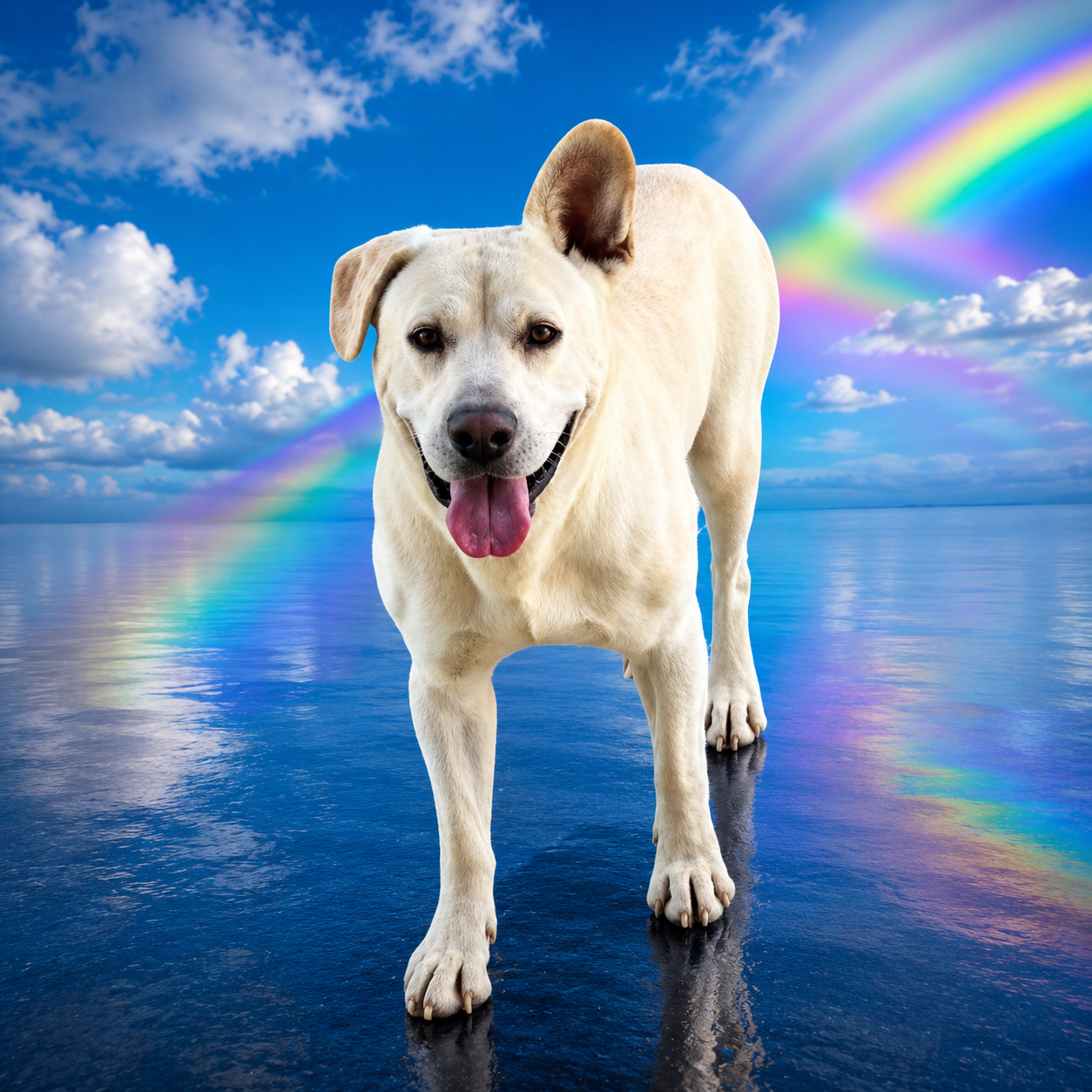
Marshmallow
A routine surgery. A severe infection. Questions that deserve answers.
No documented veterinary checks were recorded during the seven days following Marshmallow's surgery.
Marshmallow was neutered on July 1, 2025. The first documented care requests raising concern were entered on July 8, after staff noted he was not eating, lethargic, bleeding, swollen, and unable to walk without falling over.
What Happened
Marshmallow was a community dog who had been roaming Lions Club Park in Lilburn for months. Local residents regularly checked on him and made repeated efforts to bring him to safety. When he was finally captured and admitted to Gwinnett County Animal Shelter, there was widespread relief and hope that his story would have a positive outcome.
Marshmallow was neutered on July 1, 2025. Under the County's veterinary services contract, animals recovering from surgery are expected to receive daily observation, including monitoring of the surgical site and prompt intervention if complications arise. These safeguards are intended to identify post-operative problems early and prevent routine surgeries from becoming life-threatening events.
The available medical records contain no documented post-operative examinations, incision checks, or veterinary reassessments during the seven days following Marshmallow's surgery. The available records also do not document that an Elizabethan collar, or e-collar, was prescribed or provided following surgery. Medication administration records likewise contain no documented post-operative medication administration during this period.
When Marshmallow was examined by a veterinarian on July 8, his condition had significantly deteriorated. Medical notes described a "guarded prognosis due to severity of infection." He was documented as lethargic, not eating, dehydrated, and in obvious distress, with extensive swelling, tissue deterioration, and foul-smelling drainage near the surgical site.
Although treatment was initiated at that point, Marshmallow's condition continued to decline. He was humanely euthanized on July 12, 2025, to end his suffering—just sixteen days after entering the shelter.
This outcome was not sudden or unpredictable. Post-operative infections typically develop over time and are often preceded by warning signs such as swelling, discharge, pain, loss of appetite, lethargy, or changes to the surgical incision—signs that daily post-operative monitoring is specifically intended to detect.
Because no post-operative monitoring or follow-up was documented during the week following surgery, it is impossible to determine when Marshmallow's condition first began to deteriorate or whether earlier intervention could have changed the outcome.
Marshmallow was not an anonymous shelter intake; he was a dog the community had invested time, care, and hope in. His case illustrates the importance of consistent post-operative monitoring, timely medical intervention, and thorough documentation for every animal entrusted to the County's care.
Medical Timeline
A chronological summary of key medical events documented in Marshmallow's Official Rescue Record.
Shelter Intake
Marshmallow entered Gwinnett County Animal Shelter after being found at Lions Club Park in Lilburn. Shelter records noted he had reportedly been living around the park for several months before being impounded.
Routine Neuter Surgery
Marshmallow underwent a routine neuter procedure at the shelter.
No Documented Veterinary Rechecks
The medical record contains no documented veterinary examinations or post-operative rechecks during the seven days following surgery.
Medical Emergency
Shelter staff reported Marshmallow had stopped eating, appeared lethargic, was bleeding from the surgical site, had severe swelling, appeared dehydrated, and was unable to walk without falling over.
Veterinary examination documented a severe post-operative infection with a guarded prognosis.
Outcome
Despite treatment, Marshmallow's condition continued to decline. He was humanely euthanized due to the severity of his infection.
The veterinary contract required daily rounds.
Both the Planned PEThood contract and the current A.W.A.G. veterinary contract require the veterinary team to perform daily rounds to check animals for signs of illness or injury, review care requests throughout the day, and maintain medical records.
Marshmallow underwent surgery on July 1, 2025, yet the medical record contains no documented veterinary recheck for the following seven days. By July 8, he was documented as not eating, lethargic, bleeding, severely swollen, dehydrated, unable to walk normally, and suffering from a severe post-operative infection.
If daily veterinary rounds were being performed as required by the contract, why was Marshmallow's deteriorating condition not documented or addressed sooner?
Why This Case Matters
Routine surgeries require careful post-operative monitoring because complications can develop gradually over time. Animals cannot communicate pain, swelling, infection, or worsening medical distress, making daily observation, documentation, and timely follow-up essential.
Marshmallow's case raises broader questions about whether contractual requirements for daily veterinary rounds, post-operative monitoring, medical documentation, and follow-up care were consistently carried out in practice. When medical records do not reflect the monitoring required by contract, it becomes difficult to determine when an animal's condition began to decline or whether earlier intervention could have changed the outcome.
Open Records Documentation
This case summary is based on records obtained through Georgia’s Open Records Act.
More Documented Cases
These documented cases illustrate different medical concerns identified through the records. Together, they demonstrate why consistent monitoring, documentation, and timely intervention matter.
Lucy
Catastrophic incision failure following surgery.
Read Case →
Cuddlekins
Progressive illness and delayed medical escalation.
Read Case →
Jovie
Life-threatening fever discovered only after rescue.
Read Case →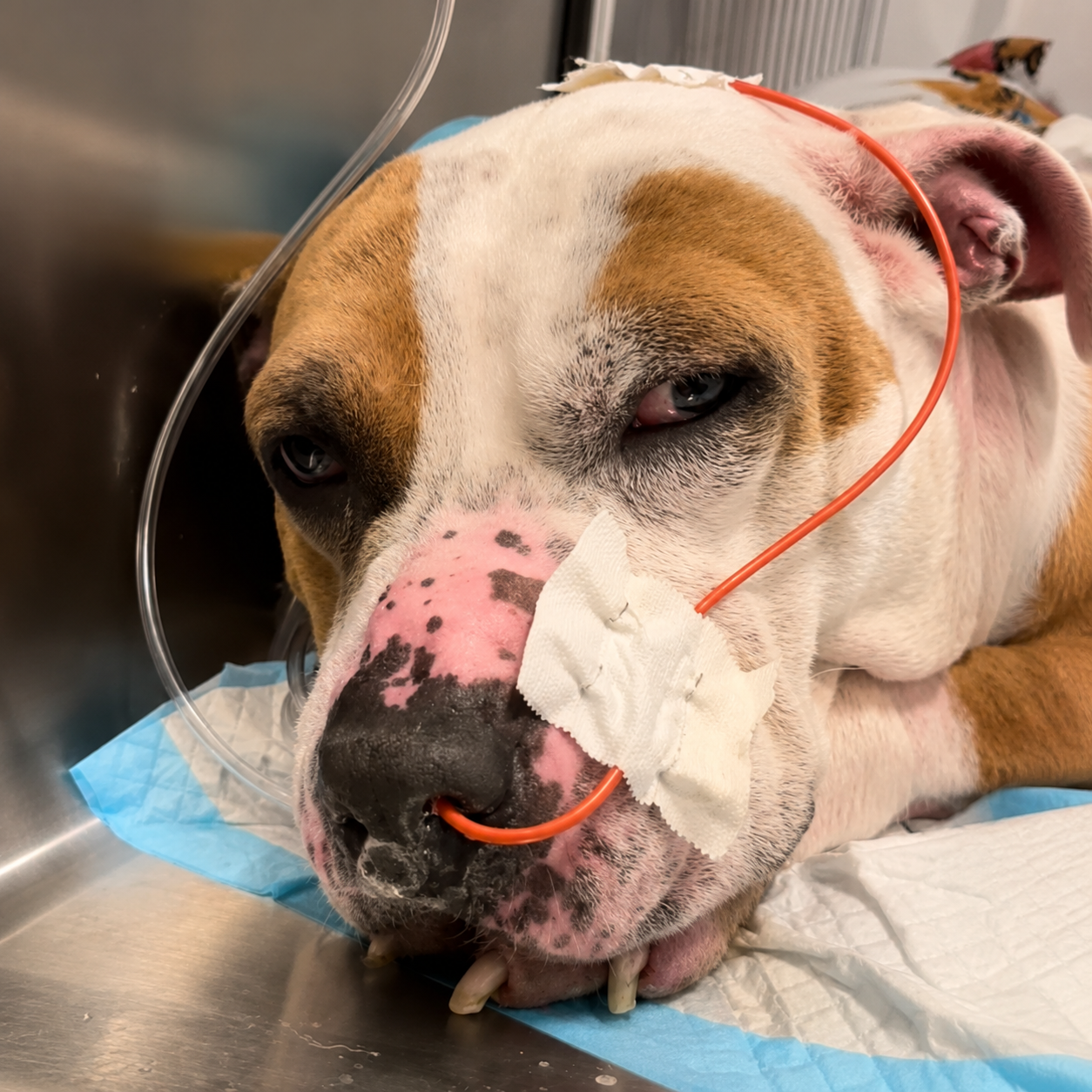
Lil Bit
Serious illness mistaken for behavioral decline.
Read Case →
Nathan
Traumatic lung injuries that rapidly worsened.
Read Case →Every Animal Deserves Timely Medical Care
Marshmallow’s story is one example of why medical monitoring, documentation, and accountability matter.