
Nathan
A young dog whose traumatic lung injuries were underestimated until it was too late.
Nathan survived being hit by a car—but not the complications that followed.
Emergency records documented pulmonary contusions and respiratory abnormalities after Nathan was struck by a vehicle. While his rescue plea described him as recovering with rest and supportive care, he rapidly deteriorated after leaving the shelter and was diagnosed with severe pneumonia, systemic infection, and respiratory failure requiring emergency hospitalization.
What Happened
Nathan was a 2-year-old dog who entered the care of Gwinnett County Animal Welfare & Enforcement (GCAWE) on August 4, 2025, after being struck by a vehicle on Braselton Highway. Emergency evaluation at Veterinary Emergency Group documented significant traumatic injuries, including pain, multiple abrasions, suspected shock, soft tissue injuries, and pulmonary contusions—a serious lung injury known to carry a risk of delayed respiratory failure and pneumonia.
When Nathan was transferred back to the shelter later that morning, shelter veterinary records documented continued pain, increased respiratory effort, and pulmonary contusions visible on radiographs. He required sedation for examination because of pain and defensive behavior. Follow-up notes continued to document increased respiratory rate and diffuse pulmonary contusions several days later.
Although Nathan's rescue plea emphasized that his leg was improving and that no fractures were identified, it characterized his overall prognosis as favorable with rest, pain medication, and supportive care. The rescue plea did not convey the seriousness of pulmonary contusions or the well-recognized risk of delayed respiratory complications following blunt-force trauma.
Pain medications were prescribed while Nathan remained in County care. However, medication administration records show zero documented doses administered, making it impossible to verify from the medical record whether the prescribed medications were actually given.
Nathan was transferred to rescue on August 12. Within days, his condition deteriorated dramatically. He developed fever, severe congestion, coughing, lethargy, poor appetite, and respiratory compromise. Emergency evaluation by the rescue's veterinarian diagnosed severe pneumonia, systemic infection, and critically impaired oxygenation requiring hospitalization, oxygen therapy, intravenous antibiotics, intravenous fluids, and intensive supportive care.
Despite aggressive emergency treatment, Nathan continued to decline. Additional diagnostics raised concerns that his traumatic injuries may have been more extensive than initially recognized, including possible rib fractures and developing sepsis. On August 18, after failing to respond to treatment and experiencing significant suffering, Nathan was humanely euthanized.
This was not a sudden or unforeseeable collapse. Pulmonary contusions are a well-recognized consequence of blunt-force trauma because injured lung tissue can continue to deteriorate for several days after the initial injury. Patients with these injuries require close monitoring, repeated reassessment, and prompt escalation when respiratory signs worsen.
Nathan did not lose his life because emergency treatment came too late after rescue. His case demonstrates the consequences of underestimating traumatic lung injuries and failing to recognize that patients with pulmonary contusions can deteriorate even after appearing temporarily stable.
Medical Timeline
A chronological summary of Nathan's medical records from intake through his transfer to rescue and eventual outcome.
Hit by Vehicle
Nathan was transported to Veterinary Emergency Group after being struck by a vehicle. Emergency evaluation documented significant trauma, pain, suspected shock, and pulmonary contusions before he was transferred to the shelter for continued veterinary care.
Pulmonary Contusions Documented
Shelter veterinary examinations continued to document increased respiratory effort and pulmonary contusions. Nathan required sedation for evaluation because of pain, and lung abnormalities remained present on follow-up radiographs.
Prescribed Pain Medication Could Not Be Verified
Gabapentin and Carprofen were prescribed while Nathan remained in County care. Medication administration records, however, document zero doses administered, making it impossible to verify from the records whether these medications were actually given.
Condition Rapidly Worsened
Within days of leaving the shelter, Nathan developed fever, coughing, congestion, lethargy, poor appetite, and respiratory compromise requiring emergency hospitalization.
Severe Pneumonia and Systemic Infection
Emergency diagnostics identified severe pneumonia, compromised oxygenation, and systemic infection requiring oxygen therapy, IV antibiotics, IV fluids, and intensive supportive care.
Humane Euthanasia
Despite aggressive emergency treatment, Nathan's condition continued to deteriorate. He was humanely euthanized because of severe pneumonia, systemic infection, and complications from his traumatic injuries.
Pulmonary contusions require close monitoring.
Pulmonary contusions are among the most serious injuries associated with blunt-force trauma. Unlike broken bones, lung injuries often worsen over the first several days after the initial accident as inflammation, bleeding, and infection develop.
Nathan's records document pulmonary contusions while he remained in County care, yet his rescue plea characterized his condition as improving. Within days of transfer, he required emergency hospitalization for severe pneumonia, respiratory compromise, and systemic infection.
Nathan's case demonstrates why traumatic lung injuries require ongoing reassessment, close respiratory monitoring, and timely escalation when complications develop.
Why This Case Matters
Nathan's case demonstrates that traumatic injuries do not end when an animal survives the initial accident. Pulmonary contusions are known to worsen over time and require careful observation because delayed respiratory failure, pneumonia, and systemic infection are recognized complications.
The available records show significant traumatic lung injury, continued respiratory abnormalities, and prescribed medications that cannot be verified through the medication logs. Meanwhile, the rescue plea focused primarily on Nathan's improving lameness rather than the risks associated with his documented pulmonary injuries.
Nathan ultimately died despite receiving aggressive emergency treatment after rescue. His case illustrates the importance of recognizing the delayed complications of traumatic injuries, documenting medical treatment, and escalating care when patients with serious lung trauma fail to improve.
Open Records Documentation
This case summary is based on Nathan's available Gwinnett County medical records and emergency veterinary documentation.
More Documented Cases
These documented cases illustrate different medical concerns identified through the records. Together, they demonstrate why consistent monitoring, documentation, and timely intervention matter.

Marshmallow
Post-operative infection after routine surgery.
Read Case →
Lucy
Catastrophic incision failure following surgery.
Read Case →
Cuddlekins
Progressive illness and delayed medical escalation.
Read Case →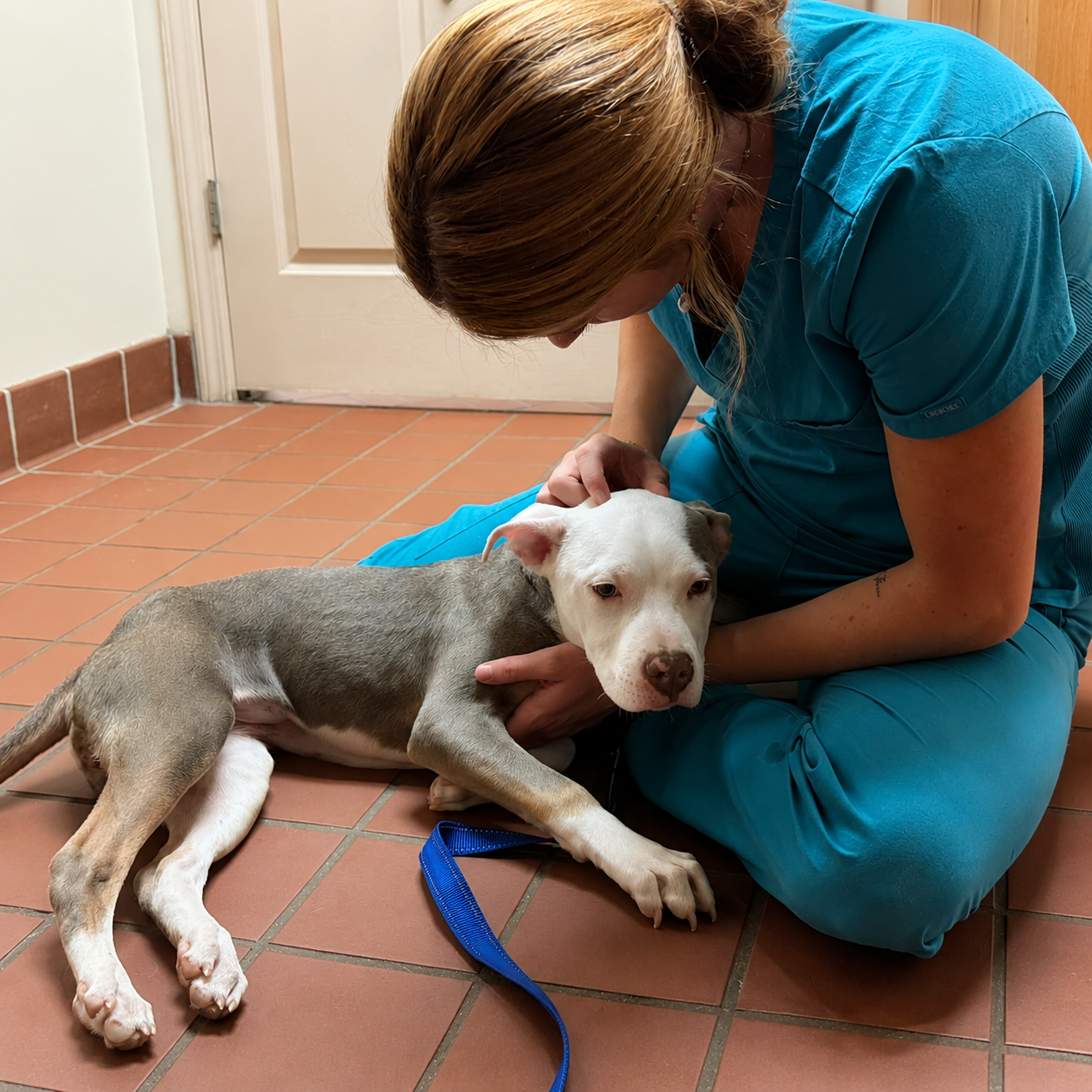
Jovie
Life-threatening fever discovered only after rescue.
Read Case →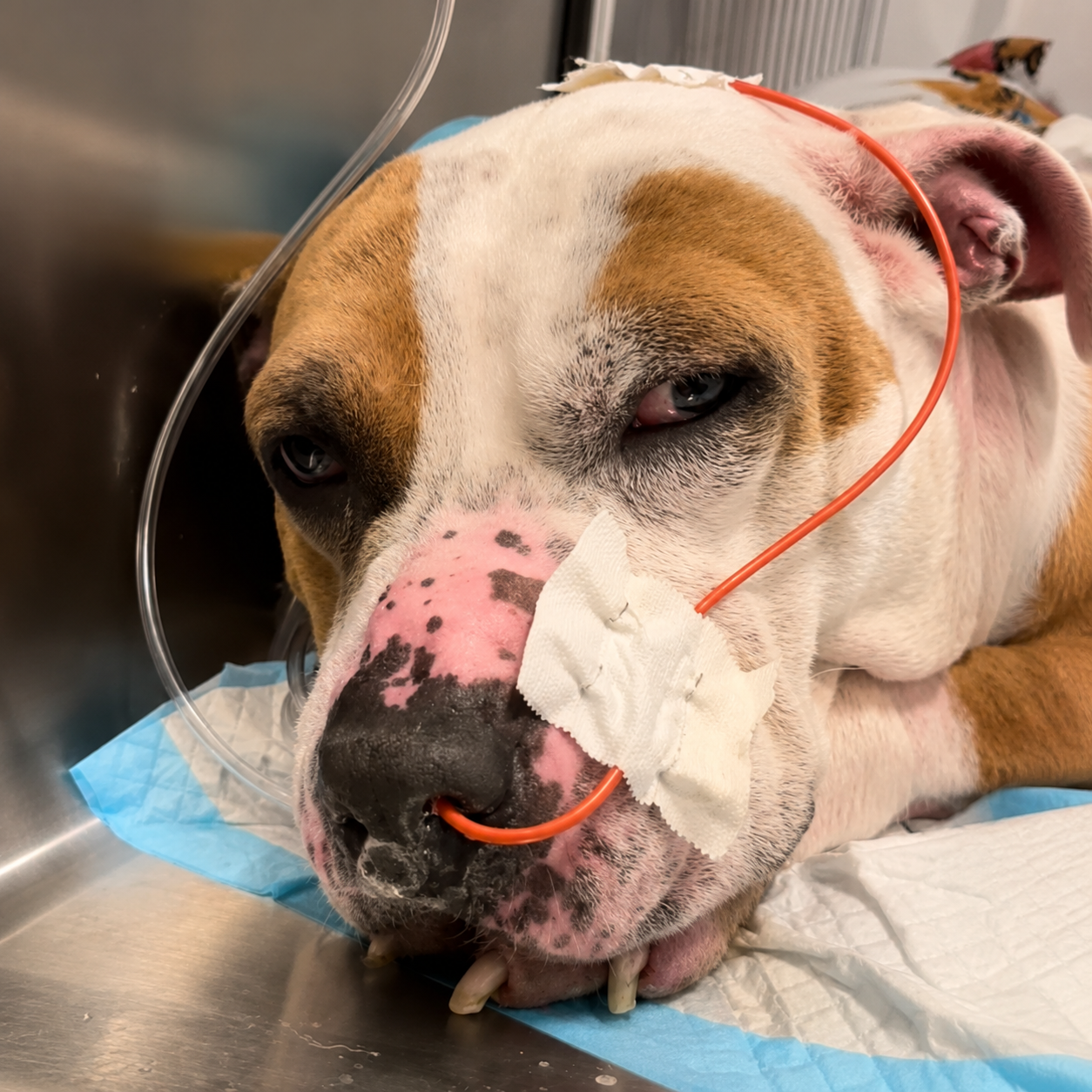
Lil Bit
Serious illness mistaken for behavioral decline.
Read Case →Traumatic Injuries Don't End After the Accident
Nathan's case demonstrates why serious lung injuries require continued monitoring, reassessment, and timely medical escalation—even when initial improvement is observed.
Contact County Leadership