Lucy
A routine surgery. A catastrophic incision failure. Questions that deserve answers.
No documented veterinary rechecks were recorded during the seven days following Lucy's surgery.
Lucy was spayed on June 7, 2025. On the morning of June 14, she was found with complete dehiscence of her surgical incision, with abdominal contents herniated onto the kennel floor.
What Happened
Lucy was an approximately 8-year-old dog taken into custody by Gwinnett County Animal Welfare & Enforcement on May 21, 2025 after roaming a neighborhood for several weeks. Although her intake record initially included a behavioral notation, subsequent shelter observations described Lucy as friendly, gentle, and easy to handle.
Lucy was spayed on June 7, 2025. Under the County’s veterinary services contract, animals recovering from surgery are expected to receive daily observation, including monitoring of the surgical site and intervention if complications arise. These safeguards are intended to prevent routine surgeries from becoming life-threatening events.
The available medical records contain no documented post-operative examinations, incision checks, or veterinary reassessments during the seven days following Lucy’s surgery. The available records also do not document that an Elizabethan collar, or e-collar, was prescribed or provided following surgery. Medication administration records also reflect zero documented doses administered for the medications prescribed following surgery.
On June 14, Lucy suffered a catastrophic medical failure. Her surgical incision had completely come apart, allowing abdominal organs to protrude through the surgical opening and outside her body. In plain terms, the stitches holding her abdomen closed failed, and her organs were exposed on the kennel floor. This is an extreme and traumatic condition that causes severe pain and distress and requires immediate medical intervention.
Lucy was euthanized on June 17, three days later, due to the severity of her injuries.
This outcome was not sudden or unpredictable. Complete incision failure typically develops over time, often preceded by warning signs such as swelling, discharge, infection, or self-trauma — signs that daily post-operative monitoring is specifically designed to detect.
Because no monitoring or follow-up was documented, it is impossible to determine when Lucy’s incision began to fail, how long she was in distress before discovery, or whether earlier intervention — such as incision care, antibiotics, or the use of an e-collar — could have prevented the outcome.
Lucy’s case underscores the real-world consequences when required daily monitoring, post-operative care, and medical documentation are not reflected in the available records for animals entrusted to the County’s care.
Medical Timeline
A chronological summary of key medical events documented in Lucy's Open Records Request.
Shelter Intake
Lucy entered Gwinnett County Animal Shelter after Animal Control responded to a report of an injured stray dog with a large mass between her rear legs.
Vomiting and Bloody Stool Reported
A care request noted that Lucy vomited bile and appeared to have stool with bright red blood. Veterinary notes later stated no blood or vomit was observed during rounds, and omeprazole was prescribed.
Spay Surgery
Lucy underwent a spay procedure at the shelter. The surgery was documented in the medical record.
No Documented Post-Operative Veterinary Rechecks
The medical record contains no documented veterinary examinations, incision checks, or post-operative rechecks during the seven days following Lucy's surgery.
Catastrophic Incision Failure
Lucy was found with complete dehiscence of her spay incision. The medical record states that abdominal contents had herniated onto the kennel floor.
Humane Euthanasia
Due to the severity of her condition, Lucy was humanely euthanized.
The veterinary contract required daily rounds.
Both the Planned PEThood contract and the current A.W.A.G. veterinary contract require the veterinary team to perform daily rounds to check animals for signs of illness or injury, review care requests throughout the day, and maintain medical records.
Lucy underwent surgery on June 7, 2025, yet the medical record contains no documented post-operative veterinary recheck before she was found with complete incision failure.
If daily veterinary rounds were being performed as required by contract, why was Lucy's deteriorating condition not documented or addressed before her injuries became catastrophic?
Why This Case Matters
Routine surgeries require careful post-operative monitoring because complications can develop gradually over time. Animals cannot communicate pain, swelling, infection, or worsening medical distress, making daily observation, documentation, and timely follow-up essential.
Lucy's medical record also shows post-operative pain medication and antibiotics listed with “0 doses administered.” Whether the medications were not given or simply not documented cannot be determined from the available records.
Lucy's case raises broader questions about post-operative monitoring, medication documentation, veterinary oversight, and accountability for animals receiving care while housed at the shelter.
Open Records Documentation
This case summary is based on records obtained through Georgia’s Open Records Act.
More Documented Cases
These documented cases illustrate different medical concerns identified through the records. Together, they demonstrate why consistent monitoring, documentation, and timely intervention matter.

Marshmallow
Post-operative infection after routine surgery.
Read Case →
Cuddlekins
Progressive illness and delayed medical escalation.
Read Case →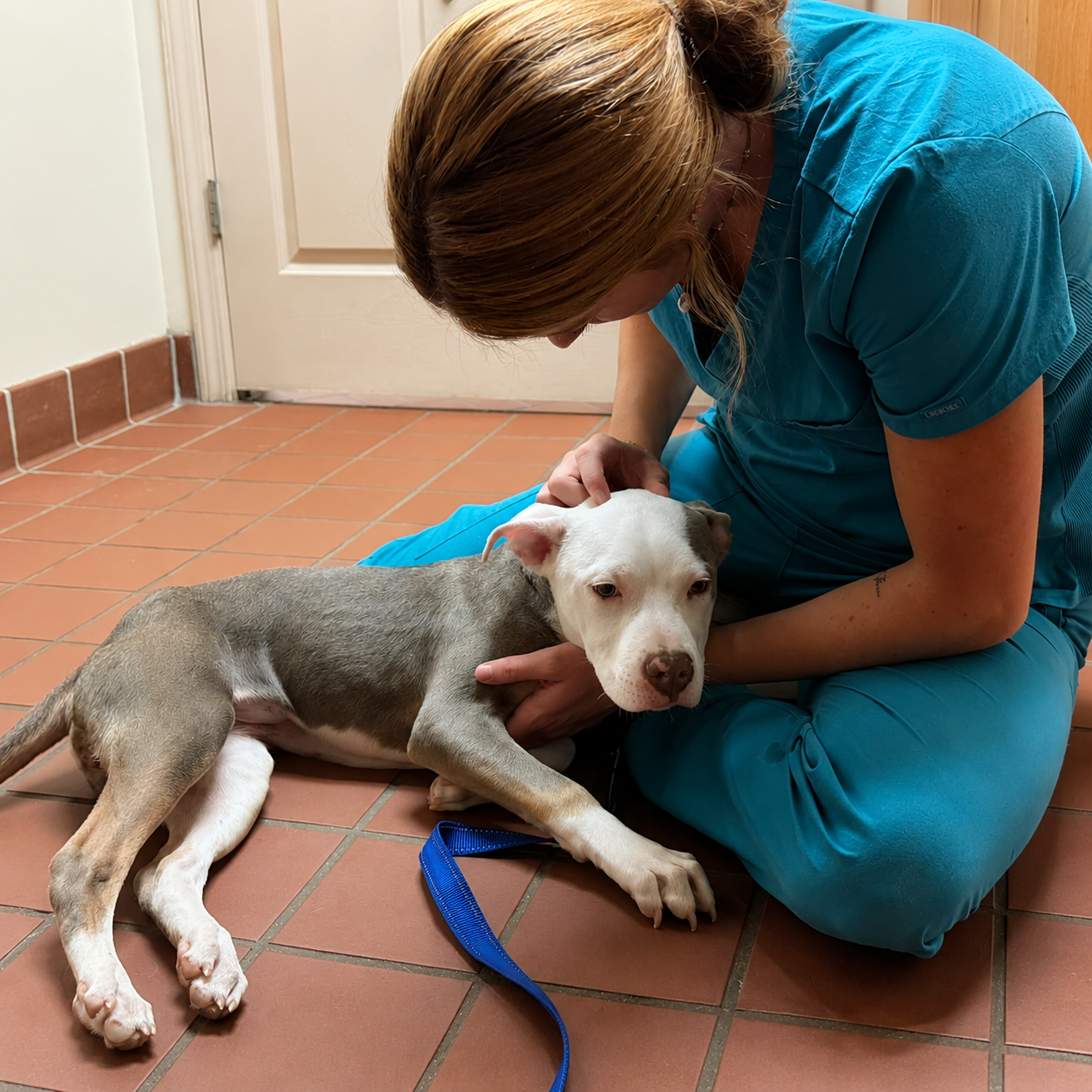
Jovie
Life-threatening fever discovered only after rescue.
Read Case →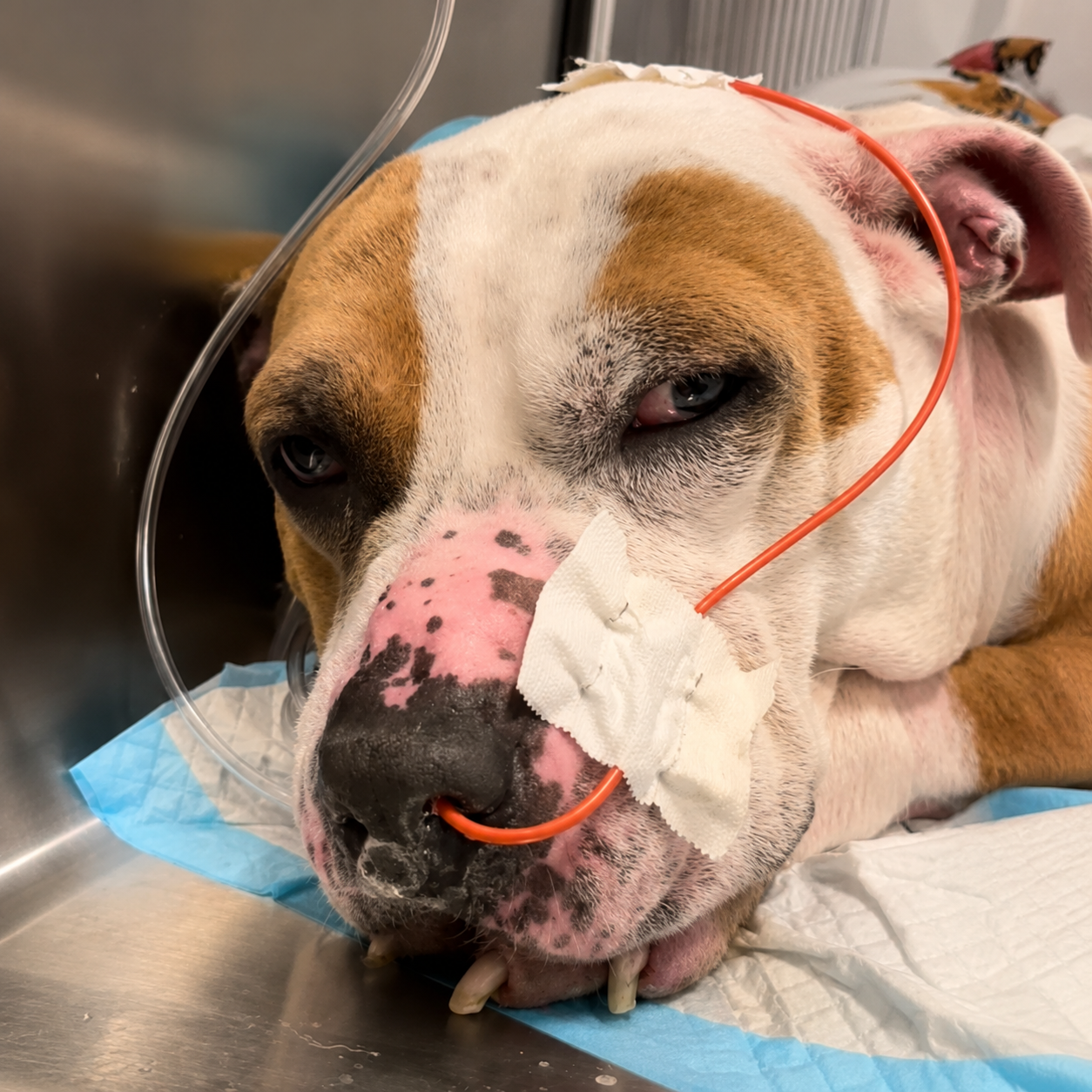
Lil Bit
Serious illness mistaken for behavioral decline.
Read Case →
Nathan
Traumatic lung injuries that rapidly worsened.
Read Case →Every Animal Deserves Timely Medical Care
Lucy’s story is one example of why post-operative monitoring, documentation, and accountability matter.
Contact County Leadership