Volunteer Engagement
Understanding participation, retention, and barriers to community involvement.
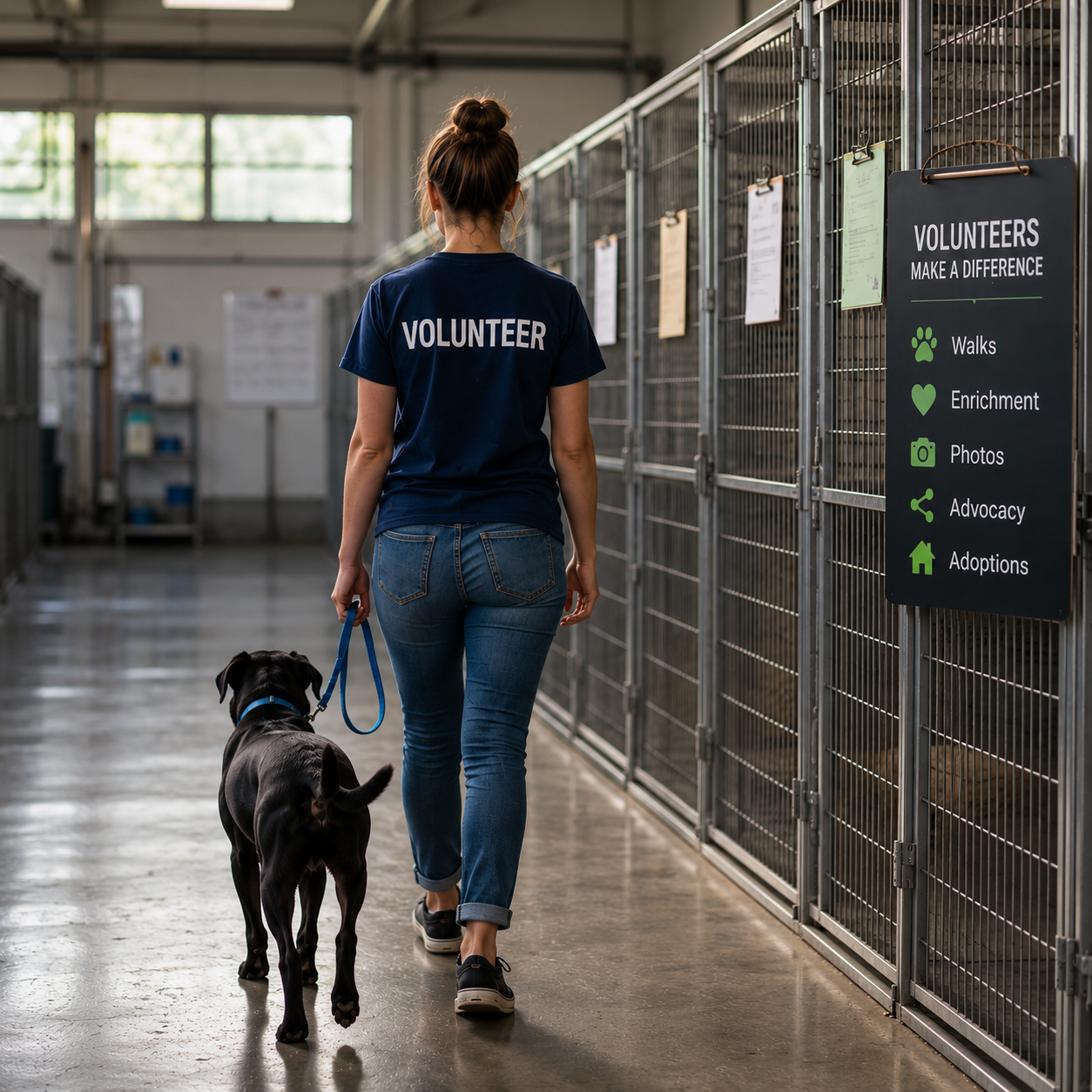
Volunteers are essential to shelter success, animal enrichment, adoption visibility, and public trust.
Gwinnett is losing free community support while animals need help.
Public records reviewed by advocates show Gwinnett logged far fewer in-shelter volunteer hours than neighboring counties, while retention data suggests many volunteers leave after only a few hours.
What Volunteers Are Saying
"I live in Gwinnett, but their shelter management was a headache for me... that's why I volunteer for DeKalb."
"When I raised concerns or offered suggestions, they were often received as accusations rather than constructive feedback. This made collaboration difficult and emotionally taxing."
"I did my volunteer orientation and mentor shift, but once I saw the requirements and restrictions, and then heard about people being bullied for speaking out, I lost interest."
What the Data Suggests
This is not simply a volunteer recruitment problem. The data points to deeper concerns around access, onboarding, communication, retention, and whether community members are being fully welcomed as partners in lifesaving work.

Volunteer hours translate into dog walks, enrichment, adoption promotion, rescue networking, event support, and additional human interaction for shelter animals. Compared to neighboring shelters, Gwinnett engages significantly fewer volunteer hours despite serving one of the largest populations in the region.

Retention is equally important. When volunteers leave after only a few hours, animals lose valuable enrichment, exercise, adoption promotion, rescue networking, and human connection.
Reported Barriers
Community members want to help. But when the process is slow, restrictive, or discouraging, animals lose valuable support.
Long Wait Times
Residents have reported waiting months between application, orientation, shadow shifts, and active volunteering.
Access Restrictions
Policies that limit dog walking, Dog Day Out participation, photos, videos, and networking opportunities can reduce volunteer impact.
Limited Promotion
When volunteers cannot help promote animals, adoptable pets lose visibility with potential adopters and rescue partners.
Communication Concerns
Volunteers have described feeling discouraged from raising concerns or offering constructive feedback.
What We Are Advocating For
Improve Access
Reduce barriers to entry and create more opportunities for community members to begin helping animals.
Support Collaboration
Encourage respectful communication between staff, volunteers, rescues, and community stakeholders.
Track Outcomes
Share volunteer participation, retention, and program outcome data so the community can help identify solutions.
Volunteers Should Be Partners in Lifesaving
Gwinnett County has an opportunity to build a volunteer program that welcomes participation, supports transparency, and maximizes positive outcomes for animals.
Contact County Leadership