Camera Coverage & Accountability
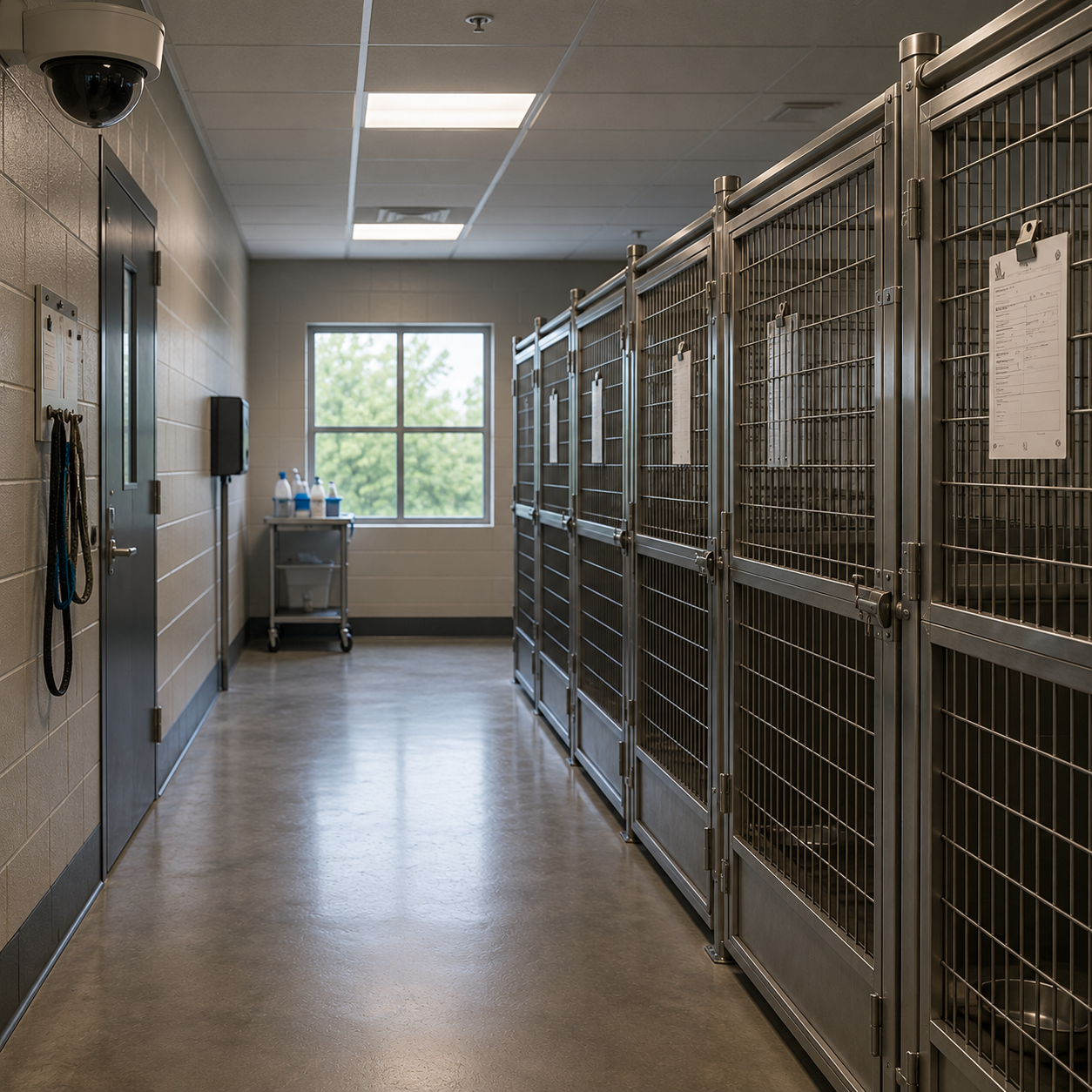
No cameras in animal housing areas, medical treatment areas, or euthanasia areas.
Critical areas are not currently covered by cameras.
Animal housing areas, medical treatment areas, and euthanasia areas currently lack camera coverage, leaving some of the most sensitive shelter operations without objective video documentation.
When Questions Arise, The Truth Matters
Over the years, questions have arisen about animal handling, kennel operations, staff interactions, volunteer concerns, and incidents involving animals at Gwinnett Animal Shelter. In many of these situations, there was no objective video documentation available.
Instead, investigators, shelter leadership, volunteers, and the public have often been left relying on:
- Conflicting witness statements
- Written recollections
- Interviews conducted weeks later
- Photographs taken after the fact
- Incomplete documentation
Objective camera footage cannot answer every question — but it can answer many of them.
When questions arise, decisions affecting animals, employees, volunteers, and the public should be based on objective evidence whenever possible, not conflicting recollections after the fact.
The April 2026 Camera Proposal
In April 2026, the Gwinnett Animal Advisory Council discussed expanding camera coverage inside Gwinnett Animal Shelter following a conversation about an injured dog and the difficulty of determining exactly what had occurred. A council member proposed exploring additional cameras in animal housing areas to improve transparency, accountability, and incident documentation.
The discussion revealed a clear divide among council members. While several members supported exploring additional camera coverage, others questioned the need for more cameras, whether they would adequately capture animal housing areas, whether they implied a lack of trust in shelter staff, and whether funding would be available.
Rather than directing staff to evaluate implementation options, obtain cost estimates, or determine where additional cameras could provide the greatest benefit, the proposal was ultimately tabled.
During the discussion, Animal Welfare Director Katrina Helman stated twice that "the county has no interest in adding additional cameras."
Because the Animal Advisory Council meets only once each quarter, tabling the proposal delayed any further discussion for months. The proposal was raised in April, but the next opportunity for council discussion was not until July. During that time, shelter renovations continued and planning for the County's 2027 budget moved forward.
The public deserves answers to some important questions:
- Why was a proposal centered on transparency and accountability tabled rather than fully evaluated?
- Why did the discussion shift from the benefits of cameras to whether staff could be trusted?
- If additional cameras could help document incidents, improve investigations, and protect animals, employees, volunteers, and the public, why wasn't the County willing to explore the proposal?
- If cameras simply document what happens, why is the County "not interested" in adding additional cameras?
Why It Matters
Documents Incidents
Cameras provide objective documentation of events within the shelter when questions or concerns arise.
Protects Animals, Staff, Volunteers & The Public
Cameras can help ensure safety, support fair investigations, and reduce disputes about what occurred.
Builds Public Trust
Transparency strengthens confidence in shelter operations and shows a commitment to accountability.
The Solution
Gwinnett County should add camera coverage in animal housing, medical treatment, and euthanasia areas — or at minimum, formally evaluate cost, feasibility, and implementation options before deciding whether to move forward.
Transparency Should Not Be Controversial.
Cameras do not replace trust. They support accountability.
Watch the AAC Discussion