Jovie
A neurologic puppy. A life-threatening fever discovered after rescue. Questions about medical monitoring.
Jovie had a life-threatening fever discovered only after she left County custody.
County records documented neurologic deficits, tremors, and abnormal movement, but contain no documentation that her temperature was taken, that a fever was identified, or that infection was suspected while she remained in the shelter.
What Happened
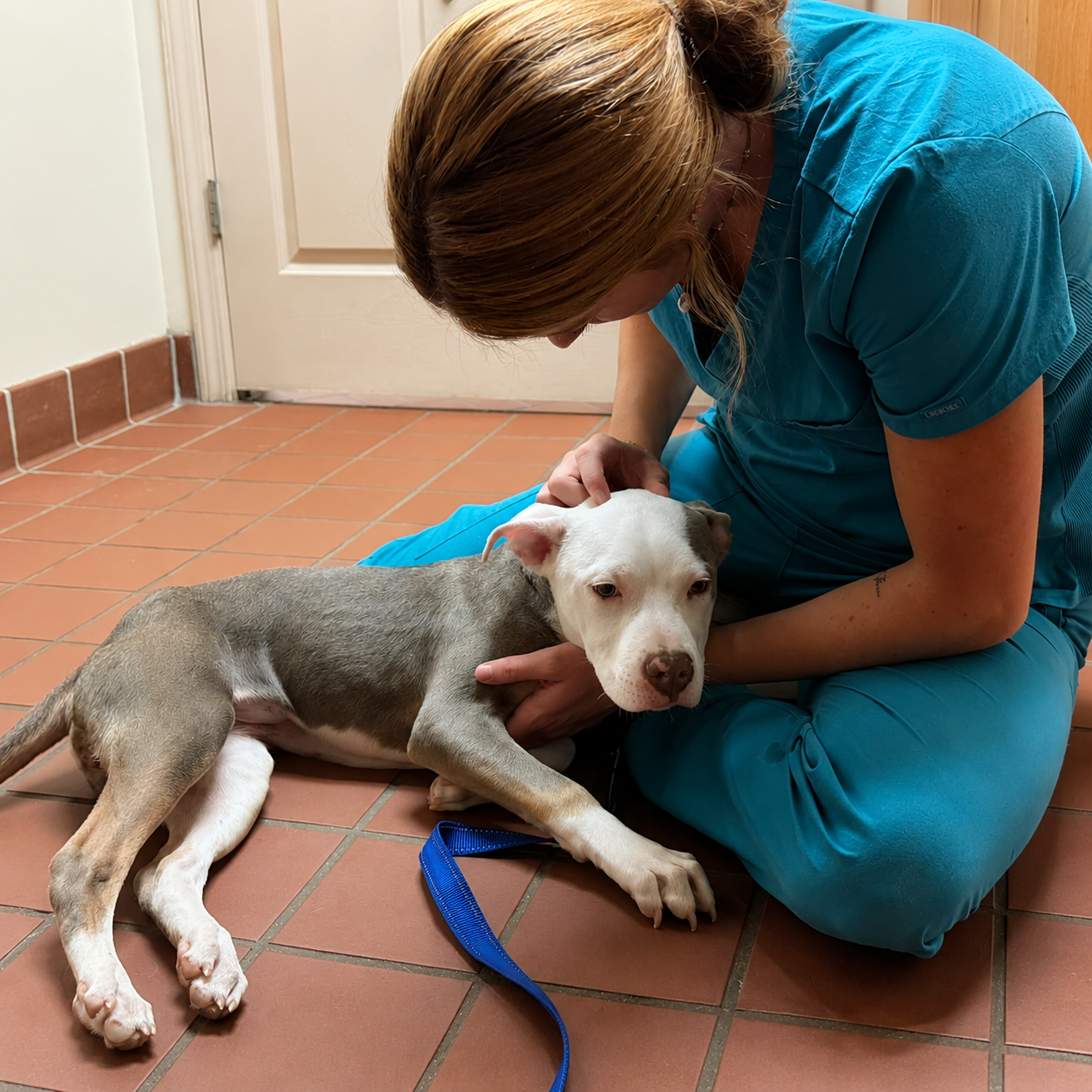
Jovie was a 6-month-old puppy taken into the care of Gwinnett County Animal Shelter on August 16, 2024, after being found unable to walk normally and experiencing full-body shaking. The responding Animal Control Officer documented that she had difficulty walking and began shaking while being transported to the shelter.
On August 17, a shelter veterinarian documented that Jovie had moderate to severe neurological deficits, including full-body tremors and an abnormal gait. The veterinarian appropriately determined that she required rescue placement and a complete neurological workup beyond what could be provided at the shelter. A rescue plea was issued, and Jovie was transferred to rescue on August 27.
Immediately after leaving County custody, the rescue transported Jovie to an outside veterinarian, where she was found to have a 105.2°F fever — a life-threatening medical emergency requiring immediate treatment and isolation. She remained isolated for approximately one week while receiving diagnostic testing and medical care before her condition stabilized.
A body temperature of 105.2°F places an animal at risk for seizures, organ damage, and death if left untreated. Fevers of this magnitude generally develop over time and are typically identified through routine daily observation, physical assessment, and basic vital-sign monitoring.
The County's medical records contain no documentation that Jovie's temperature was ever taken, that a fever was identified, or that an infectious process was suspected while she remained in County custody. Medication records show no medications administered, including no documented antibiotics, and there are no records reflecting fever monitoring, isolation, or infectious disease treatment.
Had Jovie not been transferred to rescue when she was, her underlying medical condition may have continued to progress without recognition or treatment. Instead, the rescue's immediate veterinary evaluation identified the medical emergency and allowed treatment to begin before it became fatal.
Jovie survived because the rescue discovered the problem after she left County custody — not because the condition had already been recognized. Her case illustrates the importance of routine daily monitoring, thorough medical assessment, and timely diagnostic evaluation for animals showing significant neurological abnormalities.
Medical Timeline
A chronological summary of key medical events documented in Jovie's Open Records Request.
Shelter Intake
Jovie entered the shelter after being found unable to walk normally. The responding officer documented that her body began shaking during transport.
Neurologic Deficits Documented
A shelter veterinarian documented moderate to severe neurological deficits, sporadic full-body tremors, and high-stepping when walking on all four limbs. Jovie was marked as awaiting rescue and noted to need a full neurologic workup.
No Documented Fever or Infection Assessment
The available County medical records contain no documentation that Jovie's temperature was taken, that a fever was identified, or that an infectious process was suspected while she remained in the shelter.
No Documented Medication Administration
The medication section of the medical history report states, “No medications administered to this animal.” There are no documented antibiotics, fever treatment, or infectious-disease treatment in the available County records.
Transferred to Rescue
Jovie was transferred to Boop The Snoot Rescue after being marked as needing rescue placement and a full neurologic workup.
Life-Threatening Fever Identified
Immediately after leaving County custody, the rescue transported Jovie to an outside veterinarian, where she was found to have a 105.2°F fever requiring emergency treatment, isolation, and additional diagnostic testing.
Condition Stabilized
After rescue intervention, veterinary treatment, isolation, and diagnostic testing, Jovie stabilized and survived.
The veterinary contract required daily rounds.
Both the Planned PEThood contract and the current A.W.A.G. veterinary contract require the veterinary team to perform daily rounds to check animals for signs of illness or injury, review care requests throughout the day, and maintain medical records.
Jovie entered the shelter with significant neurologic symptoms and remained in County custody for eleven days before rescue transfer. Yet the available County records contain no documented temperature readings, fever identification, infectious-disease assessment, antibiotics, or fever treatment.
If daily veterinary rounds and medical monitoring were being performed as required by contract, why was a life-threatening fever not identified until after Jovie left County custody?
Why This Case Matters
Animals with neurologic symptoms require careful monitoring because tremors, weakness, abnormal gait, fever, infection, and systemic illness can overlap or worsen over time. Basic vital signs, including body temperature, are essential to understanding whether an animal is stable or experiencing a medical emergency.
Jovie's case raises concerns about whether medically abnormal animals received adequate daily observation, complete physical assessment, vital-sign monitoring, and timely escalation while housed at the shelter.
In this case, the rescue transfer did not create the emergency — it revealed it. Jovie's survival depended on medical intervention that occurred after she left County custody.
Open Records Documentation
This case summary is based on records obtained through Georgia’s Open Records Act.
More Documented Cases
These documented cases illustrate different medical concerns identified through the records. Together, they demonstrate why consistent monitoring, documentation, and timely intervention matter.

Marshmallow
Post-operative infection after routine surgery.
Read Case →
Lucy
Catastrophic incision failure following surgery.
Read Case →
Cuddlekins
Progressive illness and delayed medical escalation.
Read Case →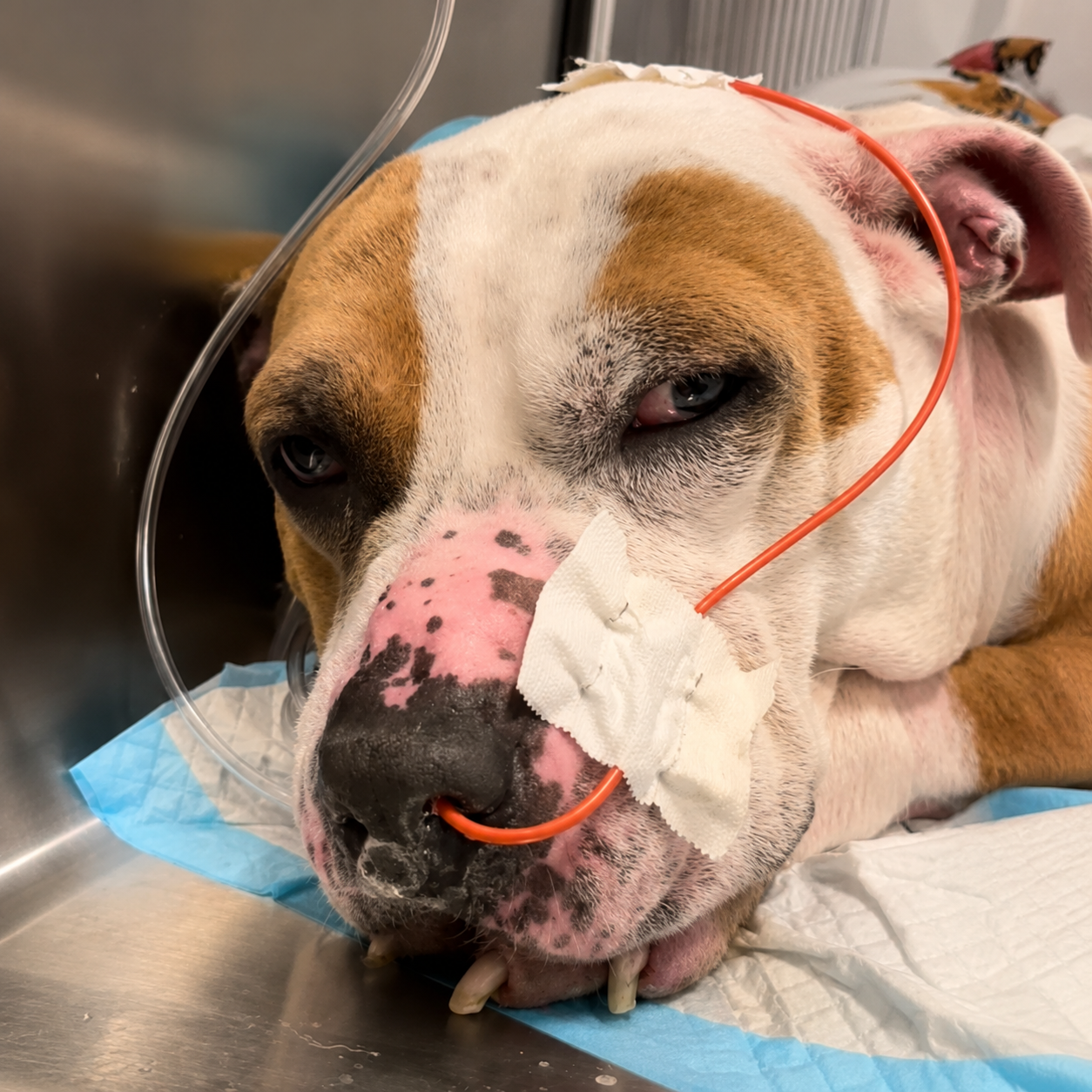
Lil Bit
Serious illness mistaken for behavioral decline.
Read Case →
Nathan
Traumatic lung injuries that rapidly worsened.
Read Case →Every Animal Deserves Timely Medical Care
Jovie’s story is one example of why medical monitoring, vital signs, and timely escalation matter.
Contact County Leadership