Cuddlekins
A mild respiratory illness. A rapid decline. Questions about monitoring and documentation.
Cuddlekins was found deceased in her kennel twelve days after entering the shelter.
Cuddlekins entered the shelter on August 12, 2024. Records later documented respiratory illness, lethargy, dehydration, weight loss, refusal to eat, and continued decline before she was found deceased on August 24.
What Happened
Cuddlekins was a young adult cat brought into the care of Gwinnett County Animal Shelter on August 12, 2024, after being found at a veterinary facility in Duluth. Intake notes described her as friendly, affectionate, and timid, with no medical concerns documented at the time of admission.
For the first week after intake, there is no documented veterinary evaluation or medical intervention. The next recorded veterinary note, dated August 19, documented mild upper respiratory symptoms and recommended antibiotic treatment.
Over the following days, Cuddlekins’ condition steadily declined. On August 22, records noted that she did not want to eat, was lethargic, did not want to stand, and had lost weight. Veterinary notes also stated they suspected she had not been eating prior to the first report of concern.
Later that same day, additional notes stated that she still had not eaten, and fluids were administered. On August 23, records indicated that Cuddlekins remained depressed, had not eaten overnight, and gagged when force-feeding was attempted. She was again given fluids and injectable medications.
The following morning, on August 24 at 8:08 a.m., Cuddlekins was found deceased in her kennel.
In plain terms, Cuddlekins stopped eating, became progressively weaker, and declined over several days before she was found deceased. Cats who do not eat can deteriorate quickly, developing dehydration, metabolic imbalance, and organ failure. These changes do not occur suddenly and are typically preceded by observable warning signs, including full food bowls, lethargy, and weight loss.
Medical Timeline
A chronological summary of key medical events documented in Cuddlekins' Open Records Request.
Shelter Intake
Cuddlekins entered the shelter after being found at a veterinary facility in Duluth. Intake notes later described her as friendly, affectionate, and timid.
No Documented Medical Concern
For the first week after intake, there is no documented veterinary evaluation, medical concern, or intervention in the available record.
Respiratory Symptoms Documented
Veterinary notes documented mild clear nasal discharge and suspected a mild upper respiratory infection. Doxycycline was recommended.
Medication Record Concern
Veterinary notes from August 22 state that medications for URI were prescribed on August 19 but were not entered into the computer. The medication section of the medical history report states, “No medications administered to this animal.”
Condition Worsened
Cuddlekins was documented as lethargic, approximately 7% dehydrated, losing weight, not wanting to eat, and not wanting to stand. She received fluids, Baytril, and appetite stimulation and was moved into veterinary care for better observation.
Later that afternoon, records stated she was sleeping in her kennel and did not appear to have eaten. The plan was to repeat fluids and recheck the following morning.
Still Not Eating
Cuddlekins remained depressed, did not eat overnight, and immediately gagged when force-feeding was attempted. She received additional fluids and medication.
Found Deceased
Cuddlekins was found deceased in her kennel at 8:08 a.m.
The veterinary contract required daily rounds.
Both the Planned PEThood contract and the current A.W.A.G. veterinary contract require the veterinary team to perform daily rounds to check animals for signs of illness or injury, review care requests throughout the day, and maintain medical records.
Cuddlekins’ records documented a progression from respiratory symptoms to lethargy, dehydration, weight loss, refusal to eat, unwillingness to stand, and death within several days.
If daily veterinary rounds were being performed as required by contract, why wasn’t her worsening condition recognized and escalated sooner?
Why This Case Matters
Upper respiratory infections are common in shelter environments, but they require monitoring because illness can progress quickly, especially when a cat stops eating or drinking. When a cat becomes lethargic, dehydrated, loses weight, and refuses food, timely intervention and close observation become critical.
Cuddlekins’ records reflect a gradual, observable decline over multiple days, not a sudden unforeseeable event. Her case raises serious questions about whether her lack of eating and physical decline were recognized and escalated in a timely manner, or whether opportunities for earlier intervention were missed.
The records also contain documentation inconsistencies. One veterinary note states that medications for her upper respiratory infection had been prescribed but were not entered into the computer, while the medication history indicates no medications were administered. These discrepancies make it difficult to determine exactly what treatment was provided and when.
Cuddlekins’ case underscores the consequences of inadequate daily monitoring, delayed escalation, and incomplete documentation — precisely the safeguards the County’s veterinary services contracts were intended to provide.
Open Records Documentation
This case summary is based on records obtained through Georgia’s Open Records Act.
More Documented Cases
These documented cases illustrate different medical concerns identified through the records. Together, they demonstrate why consistent monitoring, documentation, and timely intervention matter.

Marshmallow
Post-operative infection after routine surgery.
Read Case →
Lucy
Catastrophic incision failure following surgery.
Read Case →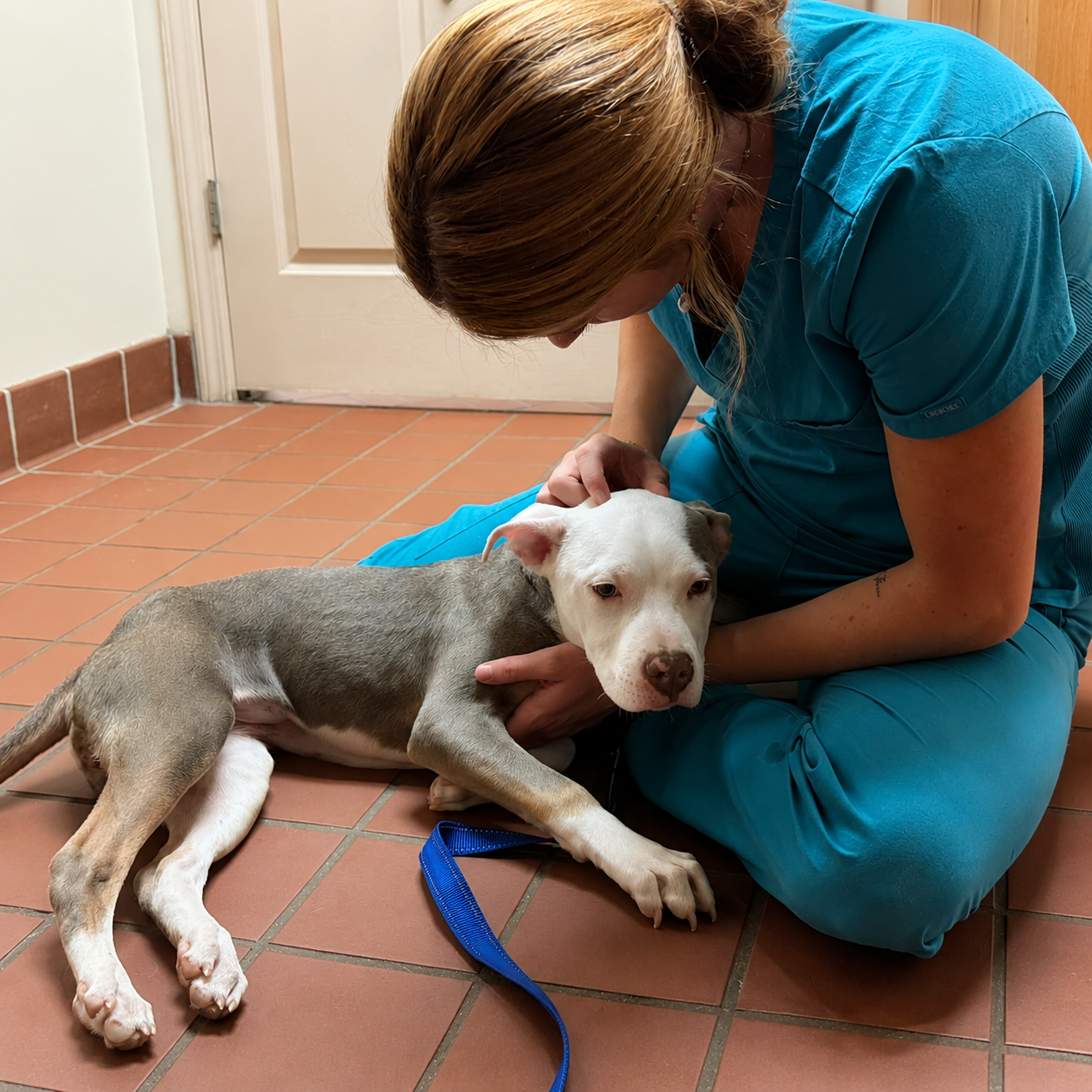
Jovie
Life-threatening fever discovered only after rescue.
Read Case →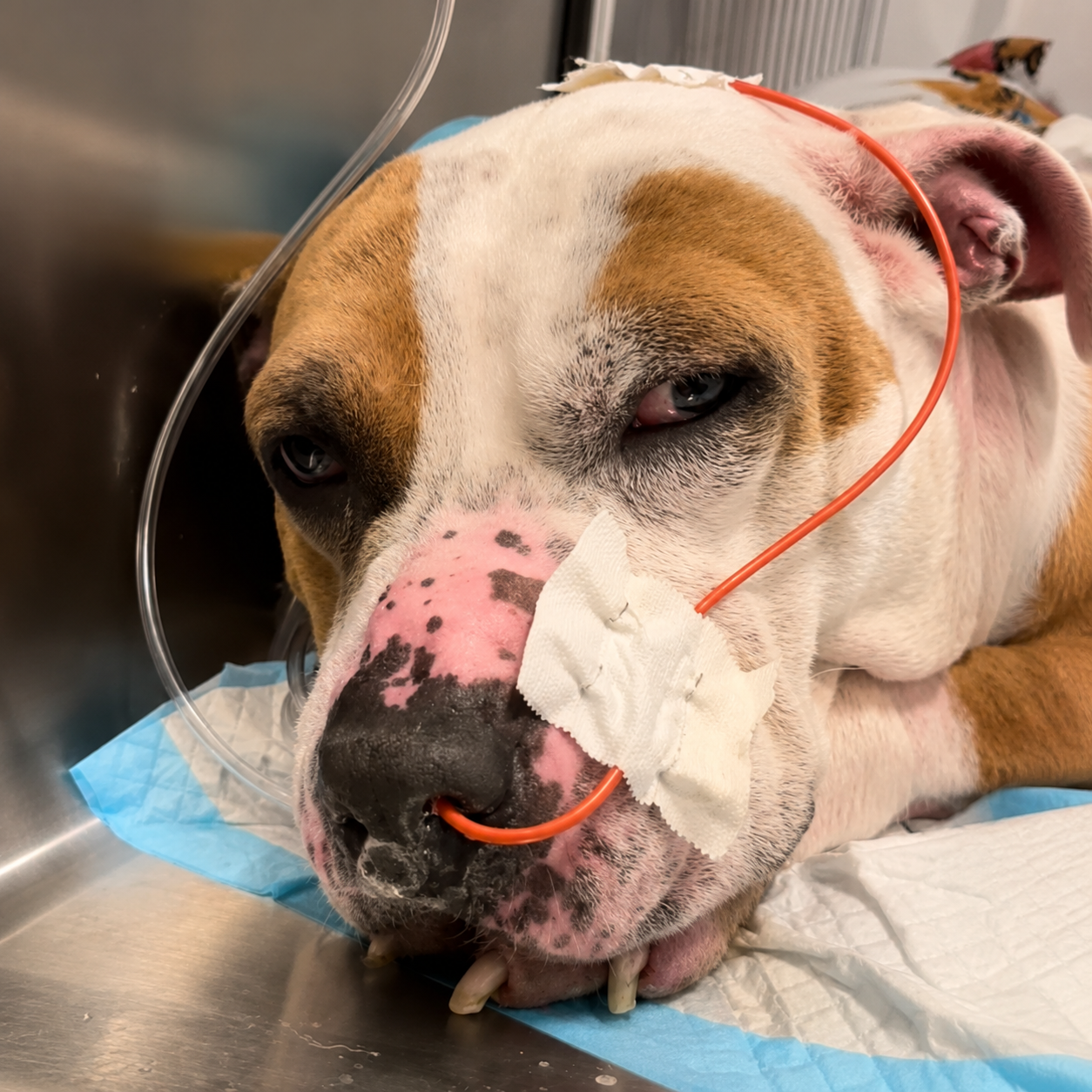
Lil Bit
Serious illness mistaken for behavioral decline.
Read Case →
Nathan
Traumatic lung injuries that rapidly worsened.
Read Case →Every Animal Deserves Timely Medical Care
Cuddlekins’ story is one example of why disease monitoring, documentation, and accountability matter.
Contact County Leadership